Research, in plain words
Lutein and Zeaxanthin: What the Research Shows, Study by Study
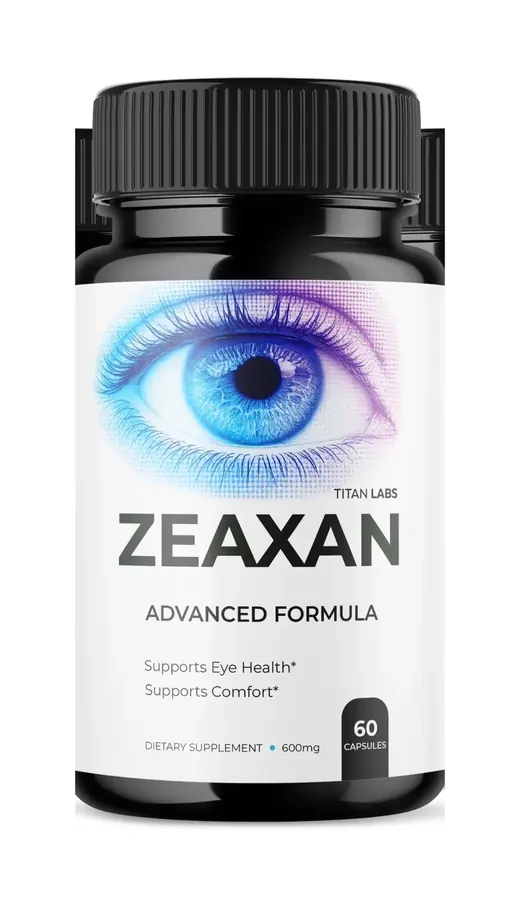
Lutein and zeaxanthin are plant pigments found in leafy greens and egg yolks. The best evidence comes from AREDS2, which used 10 mg of lutein and 2 mg of zeaxanthin with vitamins and zinc in people who already had AMD. Taken alone, they showed little effect, and no supplement has been shown to keep AMD away.
Written by the Zeaxan editorial teamUpdated · 8 min read
The basics
What exactly are lutein and zeaxanthin?
Lutein and zeaxanthin are carotenoids, a family of pigments that plants make. You get them from green leafy vegetables, egg yolks, corn and squash (Wilson et al., 2021).
Researchers care about them because of the macula, the small part of the eye that gives you sharp central vision (MedlinePlus, 2024). A 2021 review in Advances in Nutrition looked at how lutein and zeaxanthin intake relates to macular pigment, the amount of these pigments measured in that spot (Wilson et al., 2021).
Measuring a pigment is not the same as protecting sight.
Study by study
What have studies found about lutein and zeaxanthin?
The clearest result comes from people who already had AMD and took lutein and zeaxanthin as part of a full formula. On their own, or in people without AMD, the results are weak or absent.
| Source | What was tested | In whom | What it found |
|---|---|---|---|
| AREDS and AREDS2 (NEI) | Lutein 10 mg, zeaxanthin 2 mg, vitamin C, vitamin E, zinc and copper | Intermediate or late AMD | About 25% lower risk of advanced AMD over five years (NEI, AREDS2) |
| AREDS formulas (NEI) | The same formulas | Early AMD or no AMD | No benefit (NEI, 2020) |
| Cochrane review, 2023 | Lutein and zeaxanthin alone vs placebo | People with AMD | Little effect, low-certainty evidence (Cochrane, 2023) |
| Cochrane review, 2017 | Vitamin E, beta-carotene, vitamin C | General population | No evidence they keep AMD away (Cochrane, 2017) |
| Wilson et al., 2021 | Lutein and zeaxanthin intake | Adults | Food gives Americans about 1-2 mg a day; no official target (Wilson et al., 2021) |
Every positive result above used a known dose, in a diagnosed group, with the other AREDS2 nutrients. See what AREDS2 means.
Your plate
How much lutein do you get from food?
American adults get an estimated 1-2 mg of lutein and zeaxanthin a day from food. There is no official daily recommendation for either one (Wilson et al., 2021).
- Green leafy vegetables
- Egg yolks
- Corn
- Squash
Because no daily target exists, there is no shortfall number to fix with a pill. Greens and an egg are the simplest place to start.
Where lutein fits
What protects your eyes more than a lutein pill?
Eye exams and not smoking. The bars rank each habit by how much published evidence backs it.
Regular eye exams
StrongA baseline exam by age 40 and every 1-2 years after 65 catches problems such as glaucoma, which often has no early symptoms. (AAO, 2021) (NEI, glaucoma)
Not smoking
StrongSmokers are about twice as likely to get AMD as nonsmokers. (AAO, 2021)
Yearly dilated exam if you have diabetes
StrongDiabetic eye damage usually has no symptoms early on. (NEI, diabetic eye)
AREDS2 formula, if you already have intermediate AMD
StrongLowered the risk of advanced AMD by about 25% over 5 years in people with intermediate or late AMD. (NEI, AREDS2) (Cochrane, 2023)
20-20-20 screen breaks
Helps comfortEvery 20 minutes, look 20 feet away for 20 seconds. Eases tired eyes; strain causes no lasting damage. (AAO, eye strain)
Leafy greens and eggs
Food firstFood gives about 1-2 mg of lutein and zeaxanthin a day; no official daily target exists. (Wilson et al., 2021)
Eye vitamins if you do not have AMD
No benefitSupplements cannot prevent AMD, and AREDS showed no benefit without AMD or with early AMD. (NEI, 2020) (Cochrane, 2017)
Bilberry for night vision
Not supportedThe most rigorous trials found no improvement in normal night vision. (Canter and Ernst, 2004) (NCCIH, bilberry)
Zeaxan itself
No trialsNo published trial has tested this blend, and its amounts are not published. (FTC, 2022)
Bar length shows how much published evidence supports each option for keeping your eyes healthy, based on the eye institutes, reviews and studies linked here. A reading aid, not a score from any one source.
Try Zeaxan for 90 days2 capsules a day · 3 bottles per pack · today's price on the listing
See today's priceThe label
How much lutein and zeaxanthin does Zeaxan contain?
Zeaxan's label leaves both amounts blank. Lutein is 5th and zeaxanthin is 10th of 11 ingredients in a 600 mg blend, and a blend only has to show its total weight (21 CFR 101.36).
| Label name | Lutein (5%) |
|---|---|
| What it is | Carotenoid; the 5% describes the extract's lutein content |
| Form | Carotenoid extract |
| Place in the blend | 5 of 11 (heaviest first) |
| Amount per 2 capsules | Not published (listed 5th; at most about 6 mg by our best-case math) |
| Amount used in research | 10 mg a day in the AREDS2 formula |
| Strength of evidence | AREDS2 dose helped people who already had AMD |
| Why it is in the formula | The eye nutrient most people know from AREDS2 |
| Main caution | No set daily need. The label gives no amount, so it cannot be matched to AREDS2. |
By our best-case arithmetic, lutein is at most about 6 mg and zeaxanthin at most about 3 mg per 2 capsules, and likely much less. Full details are on our lutein and zeaxanthin page.
Beyond lutein
Why does the rest of an eye supplement blend matter?
Because the other ingredients bring their own risks. In Zeaxan, lutein shares the capsule with ten other ingredients.
Ginkgo may raise bleeding risk with warfarin and other blood thinners (NCCIH, ginkgo). Green tea extract pills are a rare but well-established cause of liver injury (NCCIH, green tea). Bacopa may cause stomach upset, and people on thyroid medicine should not use it (MSD Manual, bacopa).
Our side effects page covers every ingredient.
Reading the news
How should you read a lutein study headline?
Ask four questions before you trust it. The answers decide whether the result applies to you.
Who was in the study?
Results in people with intermediate AMD do not carry over to healthy eyes (NEI, 2020).
What dose was used?
AREDS2 used 10 mg of lutein and 2 mg of zeaxanthin (NEI, AREDS2). A label without amounts cannot be compared.
Alone or in a formula?
Alone, lutein and zeaxanthin showed little effect in the Cochrane review (Cochrane, 2023).
Pigment or eyesight?
A change in macular pigment is a lab reading. It is not proof that anyone saw better.
The FTC says health claims need solid human trials, usually randomized and controlled (FTC, 2022). See our eye health guide for the habits with the strongest evidence.
FAQ
Questions about lutein and zeaxanthin research
How much lutein should I take a day?
There is no official daily target for lutein. Food gives most Americans about 1-2 mg a day (Wilson et al., 2021). The 10 mg dose in AREDS2 was used with zeaxanthin, vitamins and zinc in people who already had intermediate or late AMD (NEI, AREDS2), so ask your eye doctor before choosing a dose.
Which foods give you lutein and zeaxanthin naturally?
Green leafy vegetables, egg yolks, corn and squash are the main food sources (Wilson et al., 2021). Because no official daily amount exists, eating these foods often is a simple, low-risk habit rather than a dose you need to hit.
Is zeaxanthin the same as lutein?
No. They are two separate carotenoids that studies usually test together. AREDS2 used them at different doses, 10 mg of lutein and 2 mg of zeaxanthin (NEI, AREDS2). Both come from similar foods, including leafy greens and egg yolks (Wilson et al., 2021).
Can lutein make my eyesight sharper?
No study in our sources shows that. The positive AREDS result was a lower risk of advanced AMD in people who already had it, not sharper eyesight (NEI, AREDS2). Blurry vision needs an eye exam: one common cause is a cataract, and surgery is the only way to remove one (NEI, cataracts).
Does lutein help macular degeneration on its own?
Probably not much. A 2023 Cochrane review found lutein and zeaxanthin alone versus placebo showed little effect, with low-certainty evidence. The supplements with better evidence combine antioxidant vitamins and zinc, and they help people who already have AMD (Cochrane, 2023).
How many mg of lutein are in a Zeaxan serving?
The label does not print it. Lutein is one of 11 ingredients in a 600 mg blend, and blend labels only need a total weight (21 CFR 101.36). Our best-case math puts it at no more than about 6 mg per 2 capsules, below the AREDS2 dose of 10 mg.
Do I need a lutein supplement if I eat vegetables?
Most people do not. There is no official daily target for lutein or zeaxanthin, and supplements showed no benefit for people without AMD (Wilson et al., 2021) (NEI, 2020). If your eye doctor finds intermediate AMD, ask about the AREDS2 formula instead of a single nutrient.
Who wrote this
Written and reviewed by
Plain-language pages built from the bottle label and linked medical sources.
Last updated . Read our editorial standards and how we check reviews. This website is run by an authorized U.S. retailer, not by the manufacturer. We are paid a commission when you buy through our order links.
Keep reading
More about Zeaxan
Lutein and zeaxanthin
The two eye carotenoids in Zeaxan: label order, the best-case amounts, AREDS2 doses and the foods that supply them.
Read moreIngredients
All 11 Zeaxan ingredients in label order, what each is for, and which ones call for a doctor's check.
Read more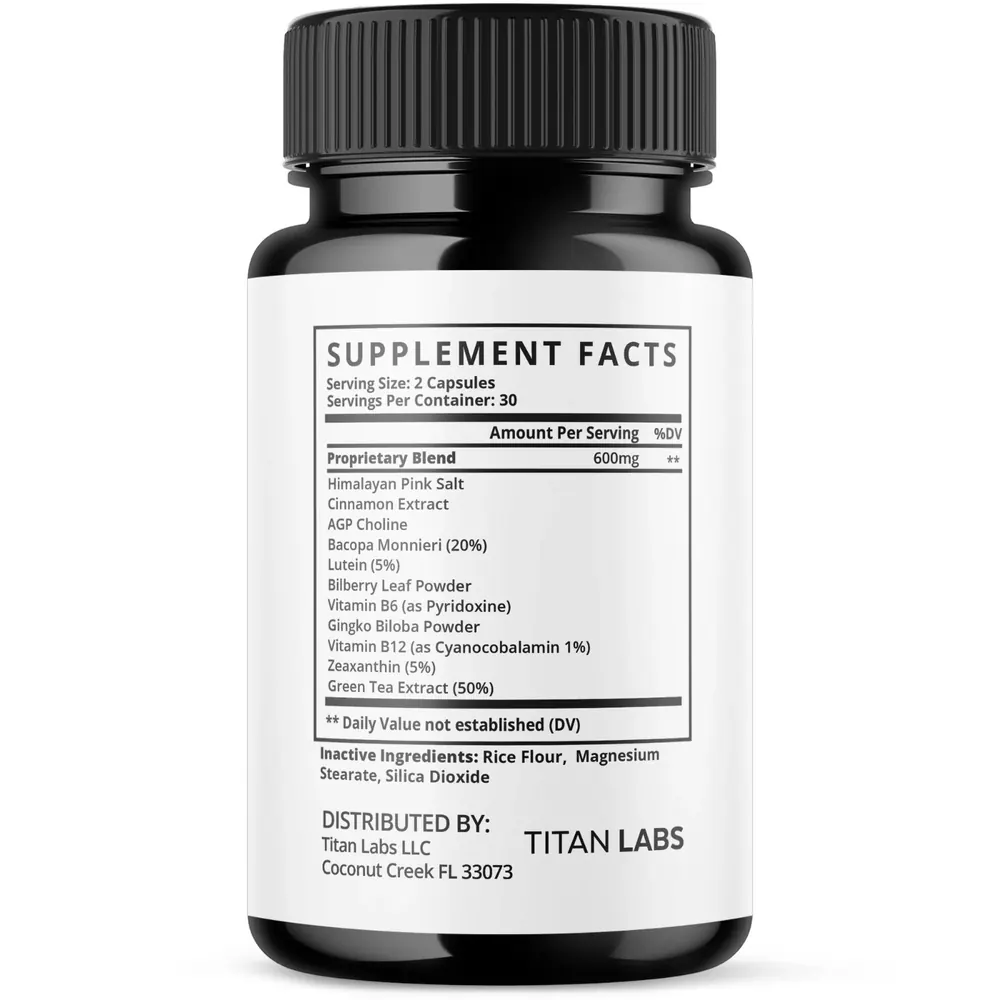
What AREDS2 means
The six nutrients in AREDS2, who the formula is for, and why no capsule can stand in for it without printed doses.
Read moreUSA authorized Zeaxan retailer
Ready to try Zeaxan?
The listing sells one 3-pack: 180 capsules, 90 days at 2 a day. Check today's price, delivery and return terms on the listing before you pay, and keep your eye exams.
- eBay Money Back Guarantee
- 30-day returns, as listed
- Free 2-4 day delivery, as listed