Editorial standards
Our Editorial Standards
Every Zeaxans page starts from the bottle label, links each health fact to a named source such as the National Eye Institute or FDA, and marks what the label leaves out instead of guessing. We quote seller claims only beside the evidence, publish no unverified reviews, never say Zeaxan treats eye disease, and date every update.
Written by the Zeaxan editorial teamUpdated
The short version
What are the Zeaxans editorial standards?
They are the rules we follow so a worried reader can trust a page about an eye supplement. In short: the label first, a source for every health fact, and no promises.
Not all sources carry the same weight. This is how we rank them when they disagree.
| Source | What we use it for | How we treat it |
|---|---|---|
| The bottle label | Ingredients, serving, directions, cautions | Final word on the product |
| The eBay listing | Seller, pack, delivery, returns | Dated; terms can change |
| Government and medical bodies | Eye health, doses, safety | Linked and cited on the page |
| Peer-reviewed reviews | What trials found | Cited with the year |
| Brand panels and badges | What the seller claims | Quoted as claims, not evidence |
| The product brief | Contact routes, background | Checked; sample reviews and numbers dropped |
Our process
How is a Zeaxan page written and checked?
Four steps, every page, every update. Scroll through them in order.
- 01
Start from the label
We type every line from photos of the bottle: front, back and side. The label decides any conflict.
- 02
Link a source to each fact
Health facts come from NEI, AAO, NIH, FDA, FTC or a published review, and each one links out.
- 03
Mark the gaps
Where the label is silent, we write "Not published" and explain why, instead of filling in a number.
- 04
Check, date and fix
Each page is checked for banned claims and plain reading level, dated, and corrected when a reader finds an error.
Missing numbers
How do we write about amounts the label does not publish?
We say they are not published, and we show what research used beside them. A blend label only has to give its total weight and list ingredients from heaviest to lightest (21 CFR 101.36).
When we estimate, we call it "our arithmetic" and give the best case only. Lutein is fifth in a 600 mg blend, so it can weigh at most 120 mg as an extract; at 5% strength that is about 6 mg at most, and likely much less. We never present that ceiling as the real amount.
Claims we refuse
Which claims will you never read on Zeaxans?
Any claim that a capsule treats, reverses or prevents eye disease. Supplements cannot prevent AMD in people who do not have it (NEI, 2020), and a health claim needs randomized human trials behind it (FTC, 2022).
Promise words
- Never that it restores vision or sharpens sight
- Never "clinically proven" or "approved by FDA"
- Never "miracle", "breakthrough" or "number one"
- Never that it can stand in for an eye exam
Plain facts
- "The bottle says Supports Eye Health"
- "No trial has tested Zeaxan itself"
- "FDA does not approve supplements" (FDA, supplements)
- "Book an eye exam"
Seller claims
Why do we quote seller claims at all?
So you can see them next to the evidence. Hiding them would not help you judge the product. In 2005 the FTC settled with an eye supplement seller over vision-restoring claims (FTC, 2005), which is why every claim here carries its source in plain words: the bottle, the panel or the listing.
Reviews
How do we handle reviews and testimonials?
We publish none until the order desk matches a review to a real order. We do not buy reviews, and negative ones will be published too.
The product brief came with a star score, order counts and eight named reviewers. None of them could be checked, so none of them appear here. Since August 14, 2024, a federal rule bans fake reviews and bought testimonials (FTC, 2024). See how we check on the reviews page.
Brand graphics
How do we treat brand panels and badges?
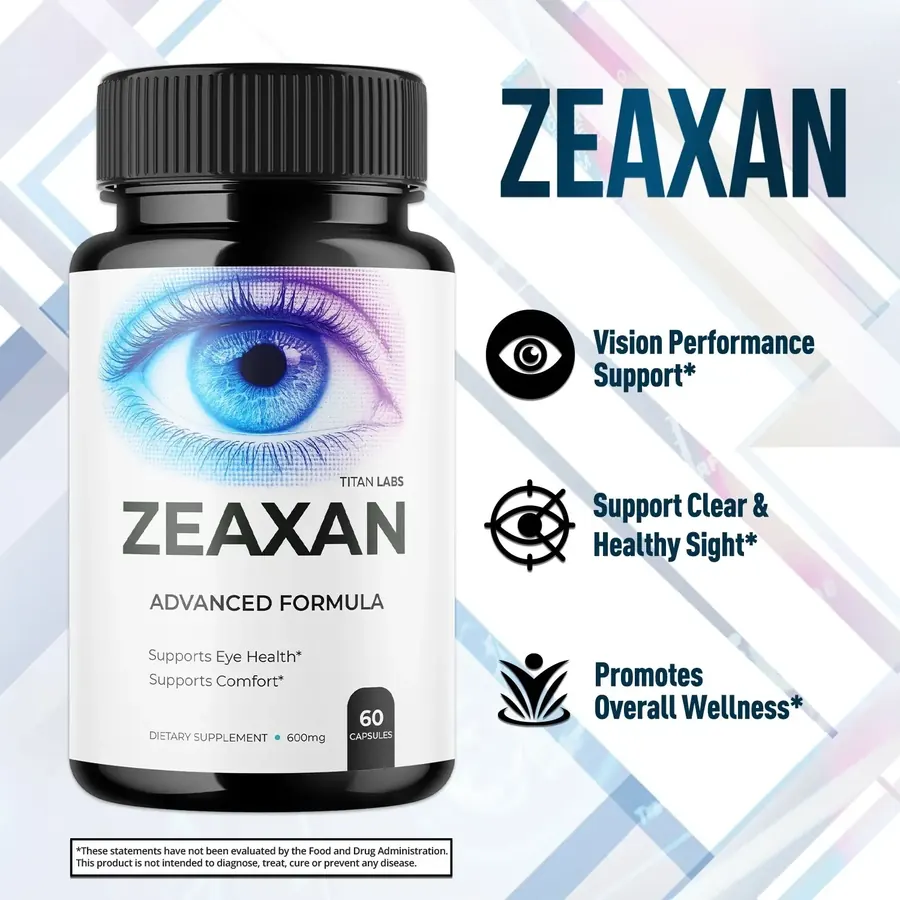
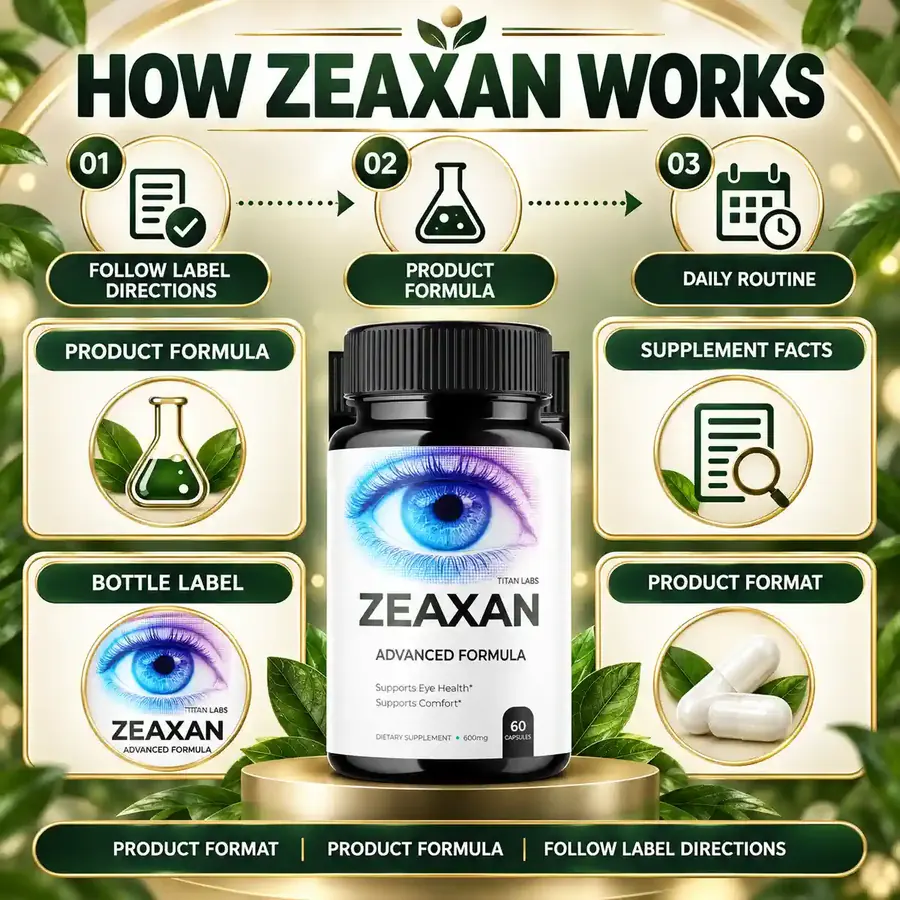
As the seller's words. We show them, caption them honestly and set them beside what the label and the research say.
Badges get the same care. The side label shows "Third Party Tested" and "GMP Certified" with no lab or certifier named, so we report the badge and the gap together. Our Supplement Facts page shows the full label so you can check us.
Medical review
Who checks the medical facts?
For now, the editorial team checks each fact against its linked source. A licensed ophthalmologist or optometrist (MD, DO or OD) will be named as reviewer only after actually reviewing the pages.
Until then the reviewer fields stay blank. We would rather show an honest gap than a borrowed name. More on the about page.
Corrections
How do we correct mistakes?
Quickly and in the open. Email [email protected] with the page and the line; we check it, fix it and change the date at the top of the page. Listing facts always carry the day we last checked them.
FAQ
Questions about our standards
How does Zeaxans check its facts?
We match every product fact to the bottle label and every health fact to a named source, such as the National Eye Institute, NIH, FDA or the American Academy of Ophthalmology. Each source is linked on the page so you can read it yourself.
Why won't Zeaxans print an exact lutein amount for Zeaxan?
Because the label does not give one. The 600 mg blend only has to show its total weight (21 CFR 101.36). Our best-case arithmetic puts lutein at about 6 mg at most, likely much less, and we label that as an estimate, never as the real amount.
How often are the Zeaxan pages updated?
Whenever a fact changes or a reader finds an error. The date at the top of each page shows the last update, and listing facts carry the day we checked them. The current pages were updated on November 4, 2026.
How do I report an error on a Zeaxan page?
Email [email protected] with the page address, the line in question and your source if you have one. We check it against the label and our sources, fix it if it is wrong, and update the page date.
Are the Zeaxan reviews on this site paid for?
No. We do not buy reviews or offer anything for a good one. A review appears only after the order desk matches it to a real order, and negative reviews are published too. Fake and bought reviews are banned by a 2024 FTC rule (FTC, 2024).
Which eye health sources does Zeaxans rely on most?
U.S. government and medical bodies come first: the National Eye Institute, the American Academy of Ophthalmology, NIH fact sheets, FDA and FTC. Cochrane and other published reviews come next. Brand panels and the product brief come last, and only for what the seller says.
Why does Zeaxans show the seller's claims if they are not proven?
So you can judge them with the evidence beside them. Each claim is quoted with its source, such as the bottle or a brand panel, and paired with what research shows. Showing a claim is not the same as backing it.
Who wrote this
Written and reviewed by
Plain-language pages built from the bottle label and linked medical sources.
Last updated . Read our editorial standards and how we check reviews. This website is run by an authorized U.S. retailer, not by the manufacturer. We are paid a commission when you buy through our order links.
Keep reading
More about Zeaxan
About us
Who runs this site, how it earns money, where the facts come from and who reviews the pages.
Read moreReviews
Why there are no stars yet, how each review is matched to a real order, and how to spot fake ones.
Read more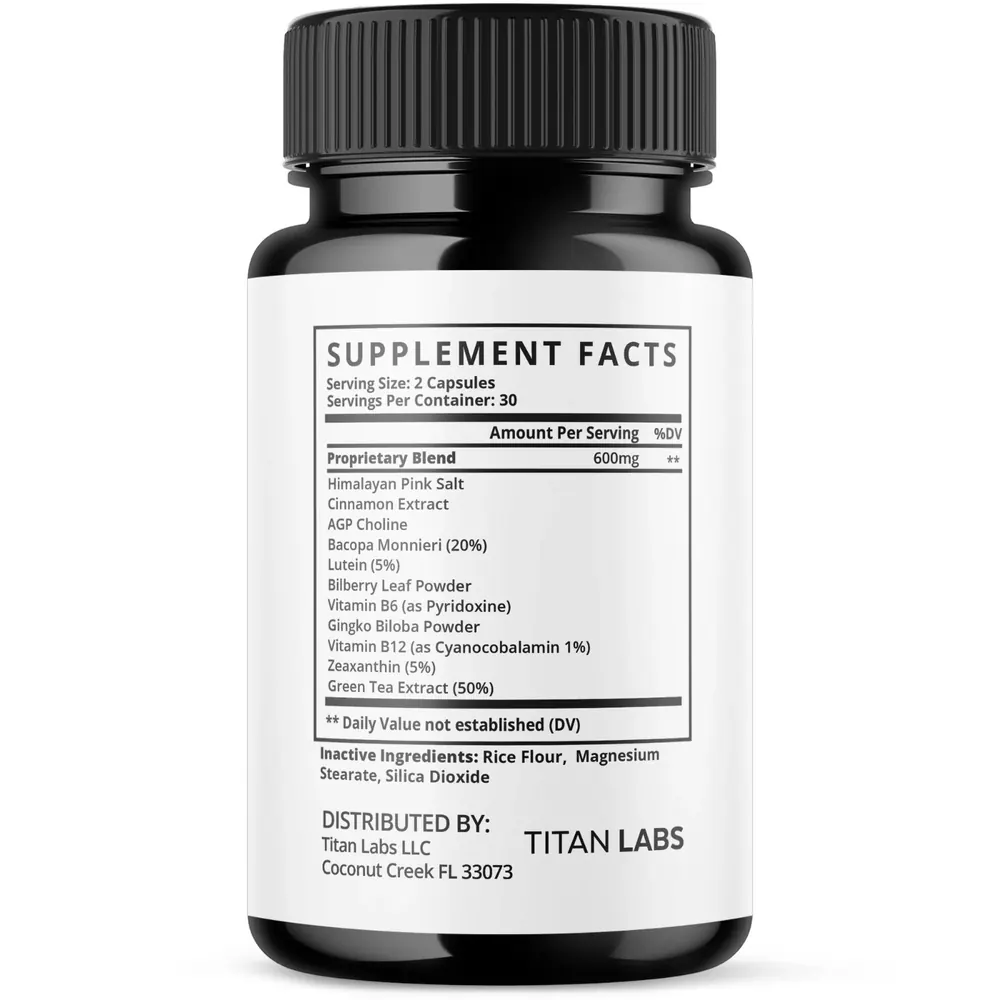
Supplement Facts
The whole Zeaxan label typed out, with what each line means and what the label does not tell you.
Read moreUSA authorized Zeaxan retailer
Ready to try Zeaxan?
The listing sells one 3-pack: 180 capsules, 90 days at 2 a day. Check today's price, delivery and return terms on the listing before you pay, and keep your eye exams.
- eBay Money Back Guarantee
- 30-day returns, as listed
- Free 2-4 day delivery, as listed