Ingredient profile
Green Tea Extract and Cinnamon in Zeaxan
Zeaxan lists cinnamon extract 2nd and green tea extract 11th, the smallest, and prints no amount for either. Neither has eye trials. Green tea extract in pills is a rare but well-established cause of liver injury, while drinking green tea is not. Cassia cinnamon contains coumarin, linked to liver problems in sensitive people at high intakes.
Written by the Zeaxan editorial teamUpdated
The basics
What are green tea extract and cinnamon extract?
Both are concentrated plant extracts. Green tea extract comes from the tea plant, Camellia sinensis, and cinnamon extract comes from a type of cinnamon the label does not name.
They sit at opposite ends of the Zeaxan blend. Green tea extract is listed last, so it is likely the smallest part. Cinnamon is listed 2nd, right after pink salt. The brand does not explain why either is in an eye formula.
| Label name | Green Tea Extract (50%) |
|---|---|
| What it is | Camellia sinensis extract, standardized to 50% (compound not named) |
| Form | Plant extract |
| Place in the blend | 11 of 11 (heaviest first) |
| Amount per 2 capsules | Not published (listed 11th, the smallest) |
| Amount used in research | No eye trials |
| Strength of evidence | Not shown for eyes |
| Why it is in the formula | Not explained on the label |
| Main caution | Extracts in pills are a rare but well-established cause of liver injury; drinking green tea is not. |
Listed second
Why is cinnamon so high on the Zeaxan label?
The label does not say. Being 2nd means cinnamon outweighs every ingredient except pink salt, including lutein and zeaxanthin (21 CFR 101.36).
By our arithmetic, the 2nd ingredient of a 600 mg blend could weigh up to 300 mg. NCCIH says research does not clearly support cinnamon for any health condition (NCCIH, cinnamon), and we found no eye trials.
| Label name | Cinnamon Extract |
|---|---|
| What it is | Cinnamomum (type not stated on the label) |
| Form | Plant extract |
| Place in the blend | 2 of 11 (heaviest first) |
| Amount per 2 capsules | Not published (listed 2nd) |
| Amount used in research | No eye trials; research does not clearly support cinnamon for any condition |
| Strength of evidence | Not supported for any condition |
| Why it is in the formula | Not explained on the label |
| Main caution | Cassia cinnamon contains coumarin, linked to liver problems in sensitive people at high intakes. |
The main caution
Can green tea extract hurt your liver?
Rarely, yes. LiverTox rates green tea extract a well-established cause of liver injury, its highest score, with more than 100 published cases (LiverTox, green tea).
In trials, a liver blood test called ALT rose in 6.7% of extract users, compared with 0.7% of people in the control groups (LiverTox, green tea). NCCIH adds that people with a certain immune gene variant, about 5 to 15% of Americans, seem especially likely to react (NCCIH, green tea).
Green tea extract is the 11th of 11 ingredients, so by our arithmetic it weighs at most about 54 mg per serving. That is a small amount, but no dose is published, and a rare reaction does not need a large one to matter if you are the person it affects.
Tea versus pills
Is drinking green tea the same as taking green tea extract?
No. Drinking green tea itself has not been linked to liver injury (LiverTox, green tea). The reported cases mainly involve extracts in pills or capsules (NCCIH, green tea), which is the form in Zeaxan.
If you enjoy green tea as a drink, nothing here says to stop. The caution is about concentrated extracts. The label's "50%" describes how the extract is standardized, but it does not name the compound or the amount.
Cinnamon and the liver
Is the cinnamon in Zeaxan safe for your liver?
It depends on the type, and the label does not say which one is used. Cassia cinnamon contains coumarin, which has been linked to liver problems in sensitive people at high intakes (NCCIH, cinnamon).
- The type of cinnamon is not named on the label.
- The amount is not published, though it is capped by the 600 mg blend.
- If you also take cinnamon pills, count them, since the two add up.
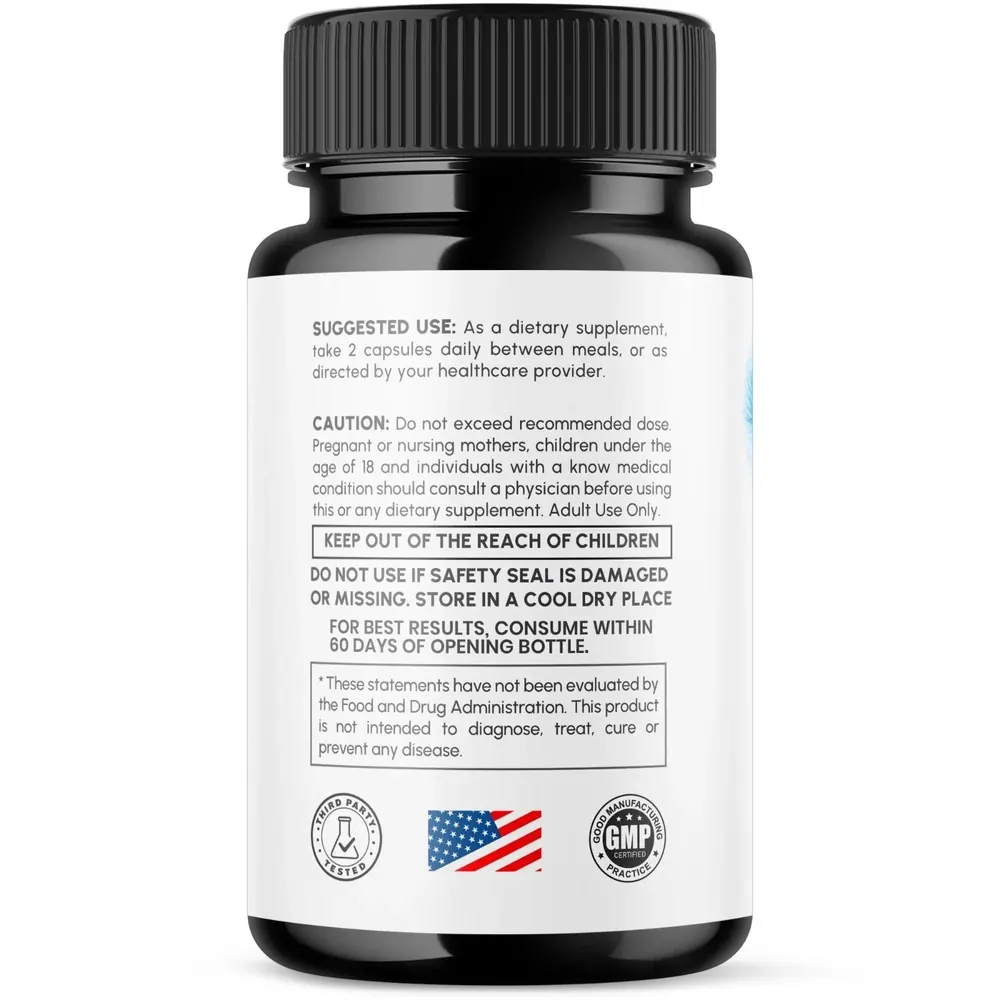
If you have liver disease, ask your doctor before taking Zeaxan, because two of its ingredients carry liver notes.
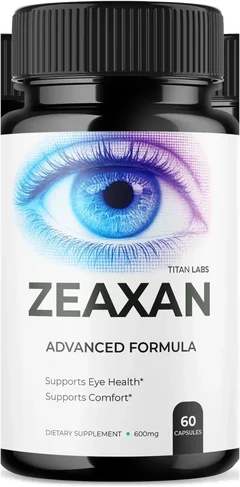
Try Zeaxan for 90 days2 capsules a day · 3 bottles per pack · today's price on the listing
See today's priceNatural is not a safety label
Does "100% Natural" mean these extracts are safe?
No. NCCIH says "natural" does not always mean safe, and that supplements can interact with medicines (NCCIH, 2019). Green tea extract is a natural product and still a known, if rare, cause of liver injury.
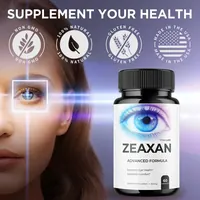
The brand's seals panel shows "100% Natural", but no certificate backs it, and the bottle label does not make that claim. Read how we look at those badges on the testing and quality page.
Medicines
Who should ask a doctor about the liver cautions?
Anyone with liver disease, or anyone taking medicines that can strain the liver. The table shows which ingredient raises each question.
| If you take or have | Ingredient to ask about | Why |
|---|---|---|
| Warfarin and other blood thinners (anticoagulants) | Ginkgo | May increase bleeding risk. (NCCIH, ginkgo) |
| Thyroid medicine | Bacopa | MSD Manual says people taking thyroid medicine should not use bacopa. (MSD Manual, bacopa) |
| Prescription drugs cleared by the liver | Bacopa | Bacopa inhibits several liver enzymes that process drugs. Ask your pharmacist. (StatPearls, bacopa) |
| Liver disease, or medicines that can strain the liver | Green tea extract; cinnamon | Green tea extract pills are a rare, well-established cause of liver injury; cassia cinnamon has coumarin. (LiverTox, green tea) (NCCIH, cinnamon) |
| A past stroke, or stroke risk factors | AGP choline (alpha-GPC) | A large observational study linked alpha-GPC to higher stroke risk. Not proof, but worth asking about. (Lee et al., 2021) |
| Metformin | Vitamin B12 | Metformin can lower B12. The blend's B12 amount is not published, so it cannot replace a blood test. (NIH ODS, B12) |
| Other eye vitamins, B-complex or multivitamins | Lutein, zeaxanthin, B6 | Count totals. High-dose B6 for a year or longer can damage nerves; the upper limit is 100 mg a day. (NIH ODS, B6) |
Full details for the whole formula are on the side effects page.
Our take
Should these two extracts change your decision?
Only if your liver is a concern. For other adults, the bigger question is whether the rest of the formula suits you, since neither extract brings an eye benefit.
Compare them with the other nine ingredients before you decide.
FAQ
Green tea and cinnamon questions
Is green tea extract bad for your liver?
It can be, though rarely. LiverTox calls green tea extract a well-established cause of liver injury, with more than 100 published cases (LiverTox, green tea). Reactions are uncommon, but if you have liver disease, ask your doctor before taking Zeaxan, and bring the bottle.
How much green tea extract is in Zeaxan?
The amount is not published. Green tea extract is the last of 11 ingredients in a 600 mg blend, so by our arithmetic it weighs at most about 54 mg per 2 capsules. The "50%" on the label describes how the extract is standardized.
Is drinking green tea safer than green tea pills?
Yes, based on current evidence. LiverTox says drinking green tea has not been linked to liver injury (LiverTox, green tea), while the reported cases mainly involve extracts taken as pills or capsules (NCCIH, green tea). Zeaxan contains the extract form, not brewed tea. The caution is about the concentrated extract, not your cup of tea.
Who is most at risk from green tea extract?
People with a certain immune gene variant seem especially susceptible, and NCCIH estimates that is about 5 to 15% of Americans (NCCIH, green tea). You cannot tell if you carry it without testing, so people with liver disease should ask a doctor before any green tea extract pill.
What kind of cinnamon is in Zeaxan?
The label does not say. It lists only "Cinnamon Extract". That matters because cassia cinnamon contains coumarin, which is linked to liver problems in sensitive people at high intakes (NCCIH, cinnamon). If you are sensitive to coumarin, show the label to your pharmacist.
Why is there cinnamon in an eye supplement?
The brand gives no explanation. We found no eye trials of cinnamon, and NCCIH says research does not clearly support cinnamon for any health condition (NCCIH, cinnamon). It is still listed 2nd, which suggests it is one of the largest parts of the blend.
Who wrote this
Written and reviewed by
Plain-language pages built from the bottle label and linked medical sources.
Last updated . Read our editorial standards and how we check reviews. This website is run by an authorized U.S. retailer, not by the manufacturer. We are paid a commission when you buy through our order links.
Keep reading
More about Zeaxan
Side effects
Every ingredient's known side effects, the medicines to check, and what to do if Zeaxan does not agree with you.
Read moreTesting & quality
What the Third Party Tested, GMP and Made in the USA badges on Zeaxan prove, and what is still missing.
Read more
Ingredients
All 11 Zeaxan ingredients in label order, what each is for, and which ones call for a doctor's check.
Read moreUSA authorized Zeaxan retailer
Ready to try Zeaxan?
The listing sells one 3-pack: 180 capsules, 90 days at 2 a day. Check today's price, delivery and return terms on the listing before you pay, and keep your eye exams.
- eBay Money Back Guarantee
- 30-day returns, as listed
- Free 2-4 day delivery, as listed