Eye health guide
Eye Health Guide for Adults Over 40
The steps that protect your eyes most are regular exams, not smoking, and a yearly dilated exam if you have diabetes. Get a baseline exam by 40 and one every one to two years after 65. Sudden flashes, many new floaters or a curtain over your vision need same-day care. A supplement such as Zeaxan is optional, never a substitute.
Written by the Zeaxan editorial teamUpdated
Exams by age
How often should adults get an eye exam?
Get a baseline exam by age 40 and one every one to two years after 65. Some people need them more often, as the table shows.
| Your age or situation | What the sources advise | Source |
|---|---|---|
| Adults by age 40 | At least one full baseline eye exam | (AAO, 2021) |
| Age 65 and older | An eye exam every one to two years | (AAO, 2021) |
| Diabetes, any age | A comprehensive dilated eye exam at least once a year | (NEI, diabetic eye) |
| Higher glaucoma risk | Over 60, African American or Hispanic/Latino over 40, or a family history: ask your eye doctor how often | (NEI, glaucoma) |
| Smoker, or AMD in the family | Higher AMD risk: mention it at every exam | (AAO, 2021) |
| Sudden flashes, floaters or a curtain | Same day, do not wait for a routine visit | (AAO, retina) |
For a fuller timeline, read our article on the eye exam schedule by age.
Do not wait
Which eye symptoms need same-day care?
Sudden flashes of light, many new floaters at once, a shadow in your side vision, or a gray curtain over part of your vision. These can be signs of a detached retina, which must be examined right away; delay can mean permanent vision loss (AAO, retina).
No supplement can help with these symptoms, so do not wait to see whether one works.
Macular degeneration
What is macular degeneration, and who is at risk?
Age-related macular degeneration (AMD) damages the macula, the part of the eye that gives you sharp, central vision. It is painless, and it is a leading cause of vision loss in Americans 60 and older (MedlinePlus, 2024).
AMD is most common after 55 and occurs mostly in people 75 or older. Listed risk factors include smoking, a family history of AMD, and being White (MedlinePlus, 2025). Smokers are about twice as likely as nonsmokers to get it (AAO, 2021).
Where eye vitamins come in
For people who already have intermediate or late AMD, the AREDS formula lowered the risk of advanced AMD by about 25% over five years (NEI, AREDS2). For people with no AMD or early AMD, the formulas showed no benefit, and the NEI says supplements cannot prevent AMD (NEI, 2020). Your eye doctor can tell you which group you are in.
Two common conditions
What are cataracts and glaucoma?
A cataract clouds the lens at the front of the eye. Glaucoma damages the optic nerve at the back, often with no early warning.
Cataracts
A cataract is a cloudy area in the eye's lens. More than half of Americans 80 or older have cataracts or have had cataract surgery, and surgery is the only way to remove one (NEI, cataracts).
Glaucoma
Glaucoma is a group of diseases that damage the optic nerve and can cause blindness. It often has no early symptoms, and about half of people with it do not know (NEI, glaucoma).
Only an eye exam can find it early.
The CDC compares the common adult eye diseases side by side (CDC, 2024).
Diabetes and eyes
How does diabetes affect your eyes?
Diabetes can damage the small blood vessels in the retina, a condition called diabetic retinopathy. Early on it usually causes no symptoms or pain (NEI, diabetic eye), which is why exams matter so much.
Diabetic retinopathy is the leading cause of blindness in American adults of working age (CDC, 2024). If you have diabetes, a comprehensive dilated eye exam at least once a year is the single best step for your eyes.
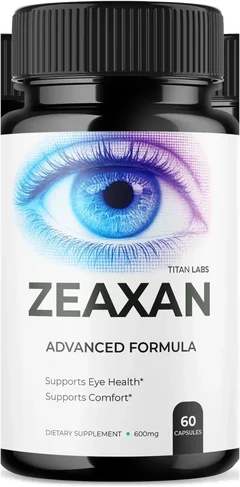
Try Zeaxan for 90 days2 capsules a day · 3 bottles per pack · today's price on the listing
See today's priceDaily comfort
How can you ease screen eye strain and dry eyes?
Take regular breaks and blink more. When you focus on a screen for a long time, you blink less, and your eyes can feel dry and tired. The eye academy suggests the 20-20-20 rule: every 20 minutes, look at something at least 20 feet away for at least 20 seconds (AAO, eye strain).
Dry eye is a separate, common problem. Symptoms include stinging, burning, a gritty feeling and blurred vision, and causes include aging, long screen or reading sessions and some medicines (AAO, dry eye). Artificial tears are a usual first step; ask your eye doctor if they are not enough.
Eye strain is uncomfortable, but it does not cause permanent damage (AAO, eye strain). Blur that stays after rest needs an exam.
Ranked by evidence
What protects your eyes most, according to the evidence?
Exams, not smoking and diabetic eye checks lead the list.
Regular eye exams
StrongA baseline exam by age 40 and every 1-2 years after 65 catches problems such as glaucoma, which often has no early symptoms. (AAO, 2021) (NEI, glaucoma)
Not smoking
StrongSmokers are about twice as likely to get AMD as nonsmokers. (AAO, 2021)
Yearly dilated exam if you have diabetes
StrongDiabetic eye damage usually has no symptoms early on. (NEI, diabetic eye)
AREDS2 formula, if you already have intermediate AMD
StrongLowered the risk of advanced AMD by about 25% over 5 years in people with intermediate or late AMD. (NEI, AREDS2) (Cochrane, 2023)
20-20-20 screen breaks
Helps comfortEvery 20 minutes, look 20 feet away for 20 seconds. Eases tired eyes; strain causes no lasting damage. (AAO, eye strain)
Leafy greens and eggs
Food firstFood gives about 1-2 mg of lutein and zeaxanthin a day; no official daily target exists. (Wilson et al., 2021)
Eye vitamins if you do not have AMD
No benefitSupplements cannot prevent AMD, and AREDS showed no benefit without AMD or with early AMD. (NEI, 2020) (Cochrane, 2017)
Bilberry for night vision
Not supportedThe most rigorous trials found no improvement in normal night vision. (Canter and Ernst, 2004) (NCCIH, bilberry)
Zeaxan itself
No trialsNo published trial has tested this blend, and its amounts are not published. (FTC, 2022)
Bar length shows how much published evidence supports each option for keeping your eyes healthy, based on the eye institutes, reviews and studies linked here. A reading aid, not a score from any one source.
Food and habits
Which foods give you lutein and zeaxanthin?
Leafy greens, egg yolks, corn and squash are the main sources. American adults get about 1-2 mg of lutein and zeaxanthin a day from food, and there is no official daily target (Wilson et al., 2021).
- Eat whole eggs; the yolk carries the lutein
- Choose corn, squash and other colorful vegetables often
- If you smoke, quitting is the biggest single step for AMD risk (AAO, 2021)
Where supplements fit
Where does an eye supplement like Zeaxan fit?
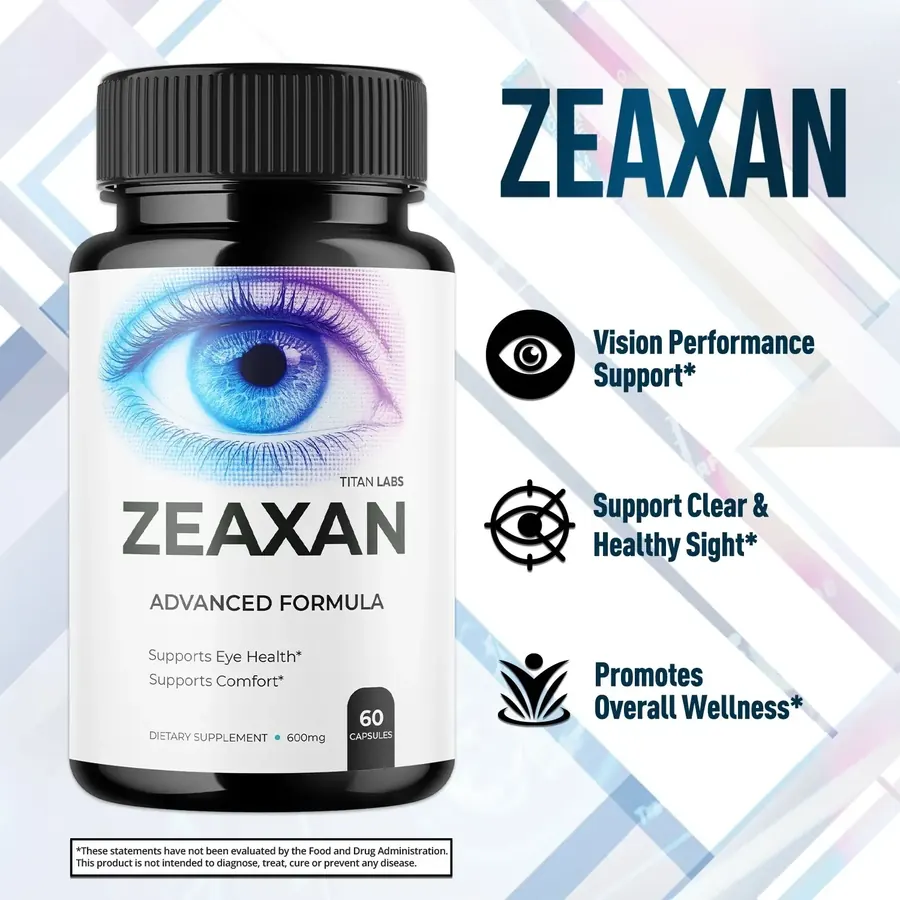
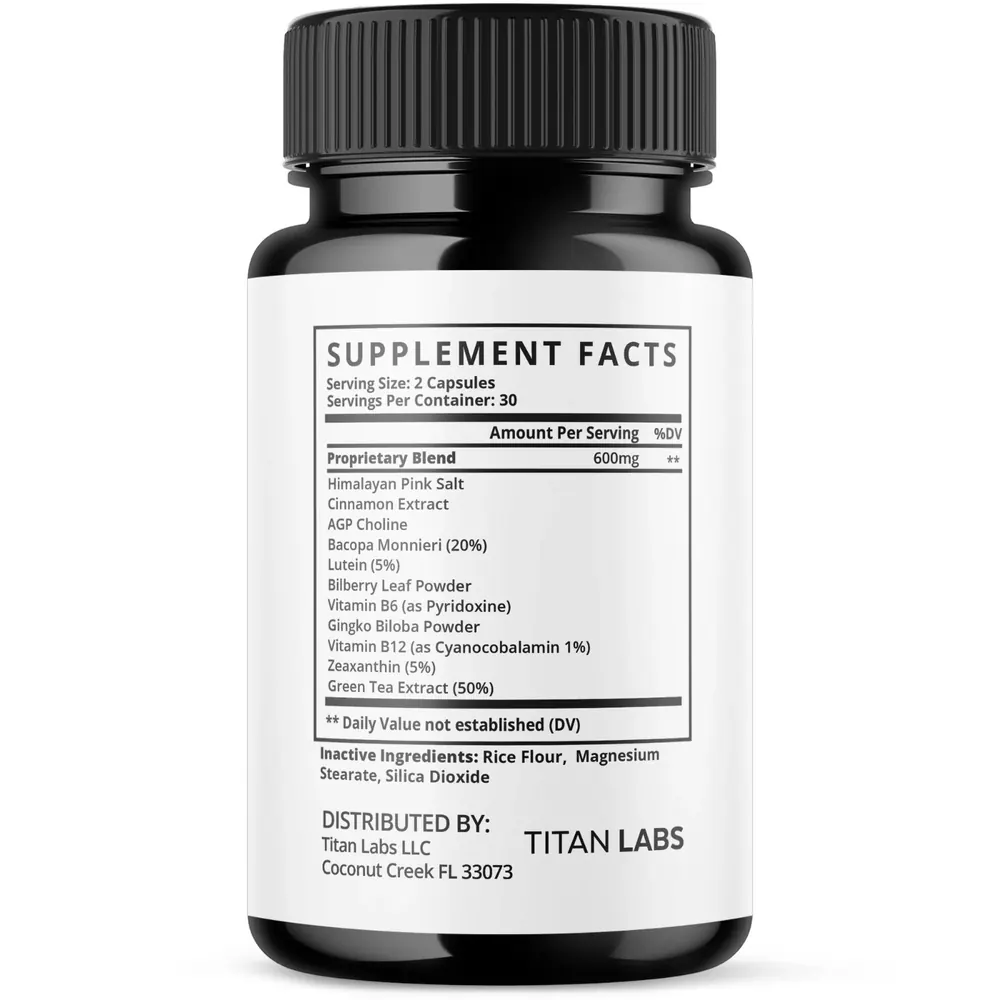
Only after the basics, and only as an optional extra. Zeaxan lists lutein and zeaxanthin in a 600 mg blend, but its label prints no amounts, and no trial has tested it. It is not the AREDS2 formula, so it is not the choice for someone whose eye doctor found intermediate AMD.
It also contains ginkgo, which may raise bleeding risk with blood thinners (NCCIH, ginkgo). Read who Zeaxan is for and our guide to choosing an eye supplement before you decide.
FAQ
Eye health questions adults ask
How often should you get an eye exam after 65?
Every one to two years, according to the American Academy of Ophthalmology (AAO, 2021). You may need exams more often if you have diabetes, glaucoma risk factors or a family history of AMD. Ask your eye doctor to set a schedule that fits your own eyes.
Can vitamins prevent macular degeneration?
No. The National Eye Institute says supplements cannot prevent AMD, and the AREDS formulas showed no benefit for people without AMD or with early AMD (NEI, 2020). A Cochrane review also found no evidence that vitamins prevent AMD in the general population (Cochrane, 2017).
What are the early signs of glaucoma?
Usually there are none. Early glaucoma rarely causes symptoms, and roughly half of the people who have it are unaware (NEI, glaucoma). That is why regular eye exams matter, especially if you are over 60 or have a family history of glaucoma.
When are eye floaters an emergency?
When many new floaters appear at once, or come with flashes of light, a shadow in your side vision or a curtain over your sight. These can signal a detached retina, which needs an eye doctor the same day (AAO, retina).
How often should people with diabetes get an eye exam?
At least once a year, and it should be a comprehensive dilated exam (NEI, diabetic eye). Diabetic eye damage usually causes no symptoms early on, so waiting for a problem to show up is not safe. Keep the yearly visit even when your vision seems fine.
Does smoking affect your eyes?
Yes. Smokers are about twice as likely as nonsmokers to get age-related macular degeneration (AAO, 2021), and smoking is a listed risk factor for it (MedlinePlus, 2025). Quitting is one of the most useful things you can do for your eyes at any age.
Can an eye supplement replace a regular eye exam?
No. No supplement can find glaucoma, diabetic eye damage or early AMD, and many of these cause no symptoms at first. Exams by 40 and every one to two years after 65 matter more than any capsule, including Zeaxan (AAO, 2021).
Who wrote this
Written and reviewed by
Plain-language pages built from the bottle label and linked medical sources.
Last updated . Read our editorial standards and how we check reviews. This website is run by an authorized U.S. retailer, not by the manufacturer. We are paid a commission when you buy through our order links.
Keep reading
More about Zeaxan
Choosing a supplement
Read a label, know the AREDS2 doses, spot red flags and know what to ask your eye doctor before you buy.
Read more
Eye guides
Every eye guide in one place: exams by age, warning signs, AREDS2, screen strain and how to pick a supplement.
Read more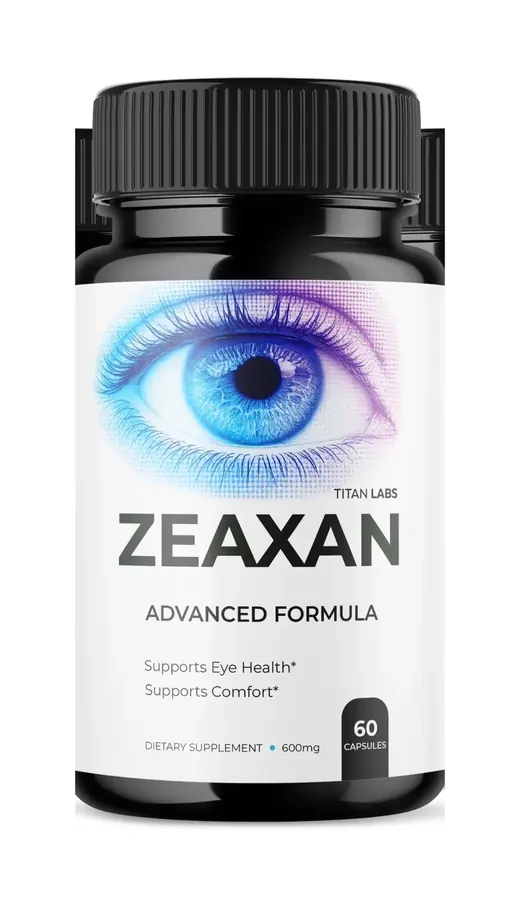
Who it's for
Who Zeaxan suits, who should talk to a doctor first, and a six-question check you can take now.
Read moreUSA authorized Zeaxan retailer
Ready to try Zeaxan?
The listing sells one 3-pack: 180 capsules, 90 days at 2 a day. Check today's price, delivery and return terms on the listing before you pay, and keep your eye exams.
- eBay Money Back Guarantee
- 30-day returns, as listed
- Free 2-4 day delivery, as listed