Ingredient profile
AGP Choline (Alpha-GPC) in Zeaxan
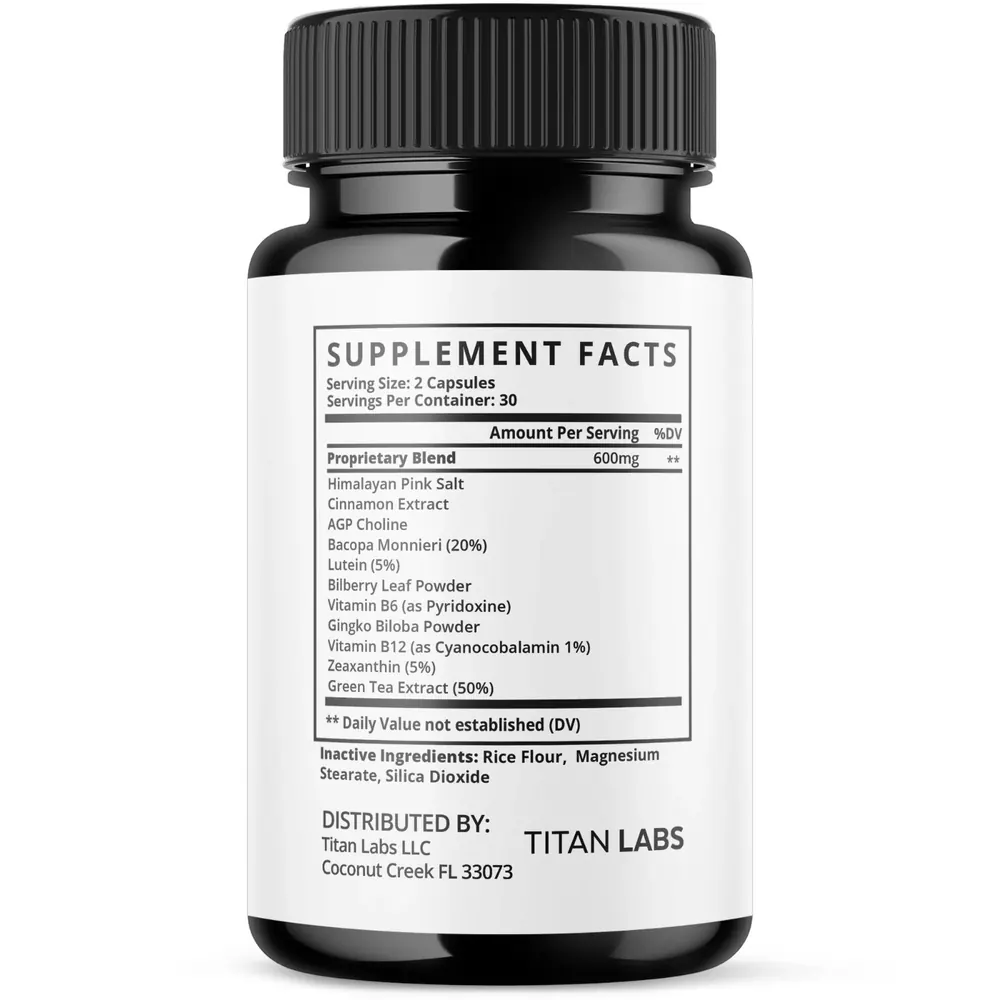
"AGP Choline" on the Zeaxan label is alpha-GPC, a choline compound usually sold for memory. It is the 3rd of 11 ingredients, and no amount is printed. It has no eye trials. A large Korean study linked alpha-GPC use to a higher 10-year stroke risk, which does not prove it causes strokes, but people with a past stroke should ask a doctor first.
Written by the Zeaxan editorial teamUpdated
The basics
What is AGP choline on the Zeaxan label?
AGP choline is L-alpha glycerylphosphorylcholine, better known as alpha-GPC. It is a source of choline, a nutrient your body uses every day, and it is usually sold for memory.
In Zeaxan it is listed 3rd of 11, behind only pink salt and cinnamon. That suggests it is one of the larger parts of the blend. The label does not say why it is in an eye formula.
| Label name | AGP Choline |
|---|---|
| What it is | L-alpha glycerylphosphorylcholine |
| Form | Choline compound |
| Place in the blend | 3 of 11 (heaviest first) |
| Amount per 2 capsules | Not published (listed 3rd) |
| Amount used in research | Choline needs: 425-550 mg a day; upper limit 3,500 mg |
| Strength of evidence | No eye trials |
| Why it is in the formula | A choline source, usually sold for memory |
| Main caution | A large observational study linked alpha-GPC use to higher stroke risk. That does not prove it causes strokes. |
The main caution
Is alpha-GPC linked to stroke?
One large study found a link, but not proof. In a South Korean group of about 12 million adults aged 50 and older, people who used alpha-GPC had a higher 10-year stroke risk, with an adjusted hazard ratio of 1.46 (Lee et al., 2021).
Put simply, users had strokes at a higher rate than non-users, even after the researchers adjusted for other factors. The risk also rose with more use, a pattern called dose-response.
The study watched what happened to people. It did not randomly assign alpha-GPC, so other differences between users and non-users could explain part of the result. It is a reason to ask questions, not a verdict.
Or if you have stroke risk factors such as high blood pressure (FDA, sodium), ask your doctor before taking Zeaxan. Mention the alpha-GPC by name.
Daily needs
How much choline do adults need each day?
Men need about 550 mg a day and women about 425 mg (NIH ODS, choline). The upper limit for adults is 3,500 mg a day from all sources, food and supplements together.
| Men, per day | 550 mg |
|---|---|
| Women, per day | 425 mg |
| Upper limit, all sources | 3,500 mg a day |
| Signs of too much | Fishy body odor, vomiting, sweating, low blood pressure and liver damage (NIH ODS, choline) |
| Alpha-GPC in Zeaxan | Not published (listed 3rd of 11) |
Dose check
How much choline does Zeaxan give you?
Nobody outside the maker knows. The label prints only the 600 mg blend total, so the choline bar below stays striped.
Our arithmetic gives one limit: the 3rd ingredient of a 600 mg blend can weigh at most 200 mg (21 CFR 101.36). Alpha-GPC is only part choline by weight, so the choline would be lower still. Either way, it is far below the upper limit. Read why blends hide amounts in proprietary blends explained.
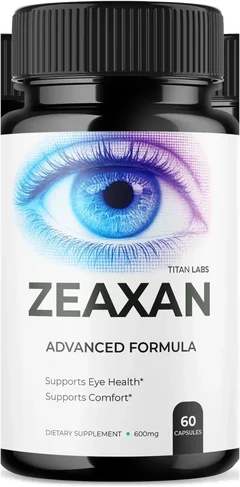
Try Zeaxan for 90 days2 capsules a day · 3 bottles per pack · today's price on the listing
See today's priceThe research
Does alpha-GPC help your eyes?
Nothing in our sources shows that it does. Our sources include no eye trials of alpha-GPC, and the brand does not explain its role.
Alpha-GPC is mostly marketed for memory. In an eye formula, it adds a caution without a clear eye benefit. The steps with real evidence for your eyes are simpler: exams on schedule (AAO, 2021) and not smoking (AAO, 2021).
Before you start
Who should ask a doctor before taking alpha-GPC?
Anyone with a past stroke or stroke risk factors should ask first. So should anyone already taking a choline or memory supplement, so the totals stay under the upper limit.
- People who have had a stroke, or have been told they are at risk of one (Lee et al., 2021).
- People taking other supplements with choline or alpha-GPC (NIH ODS, choline).
- Pregnant or nursing mothers, people under 18 and anyone with a known medical condition, as the label says.
Our who it's for page walks through every group.
Our take
Should alpha-GPC stop you from taking Zeaxan?
Not by itself, but it should start a conversation with your doctor if stroke is part of your history. For most adults, the bigger issue is that the amount is unknown.
Compare it with the other ten ingredients, or read the side effects page for the whole formula.
FAQ
Alpha-GPC and choline questions
What is AGP choline on a supplement label?
It is alpha-GPC, short for L-alpha glycerylphosphorylcholine, a choline compound usually sold for memory. On the Zeaxan label it is printed as "AGP Choline" and listed 3rd of 11 ingredients. The label gives no amount and does not say why it is included.
Does alpha-GPC cause strokes?
That has not been proven. A large South Korean study linked alpha-GPC use to a higher 10-year stroke risk, an adjusted hazard ratio of 1.46 (Lee et al., 2021). The study was observational, so it cannot show cause. People with a past stroke should still ask a doctor first.
How much choline do I need a day?
Adult men need about 550 mg a day and adult women about 425 mg (NIH ODS, choline). The upper limit is 3,500 mg a day from all sources. Choline from food and from supplements both count toward that limit, so add them together.
Can you take too much choline?
Yes. Going over the 3,500 mg upper limit can cause fishy body odor, vomiting, sweating, low blood pressure and liver damage (NIH ODS, choline). Zeaxan alone is unlikely to get you there, since its whole blend is 600 mg, but add up any other choline supplements you take.
How much alpha-GPC is in Zeaxan?
The label does not say. Alpha-GPC is the 3rd of 11 ingredients in a 600 mg blend, so by our arithmetic it can weigh at most 200 mg per 2 capsules. Only part of that weight is choline, and the true amount is likely lower.
Is alpha-GPC good for your eyes?
No evidence shows that it is. Our sources include no eye trials of alpha-GPC, which is mainly sold for memory. The Zeaxan label does not explain its role in an eye formula, and no trial has tested the full blend either.
Can I take Zeaxan after a stroke?
Talk to your doctor before you do. Zeaxan contains alpha-GPC, which a large observational study linked to higher stroke risk (Lee et al., 2021). The label also says anyone with a known medical condition should consult a physician before using this or any dietary supplement.
Who wrote this
Written and reviewed by
Plain-language pages built from the bottle label and linked medical sources.
Last updated . Read our editorial standards and how we check reviews. This website is run by an authorized U.S. retailer, not by the manufacturer. We are paid a commission when you buy through our order links.
Keep reading
More about Zeaxan
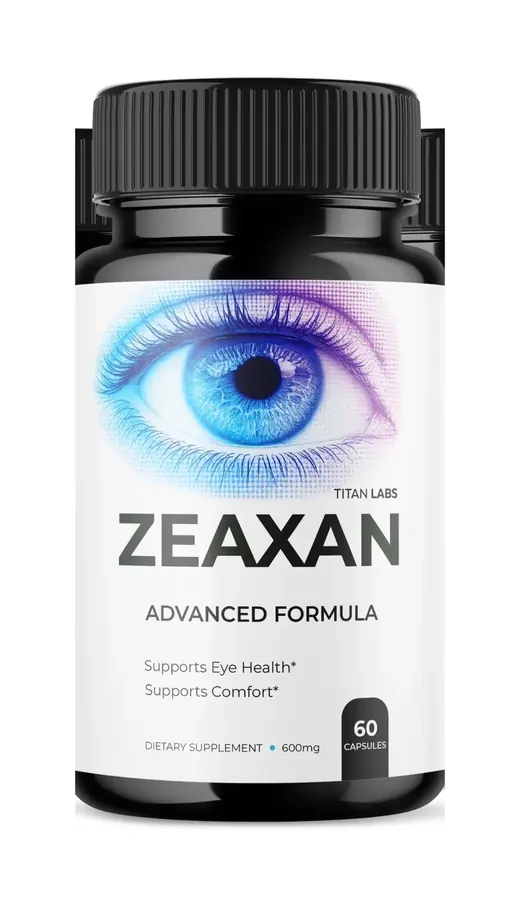
Who it's for
Who Zeaxan suits, who should talk to a doctor first, and a six-question check you can take now.
Read more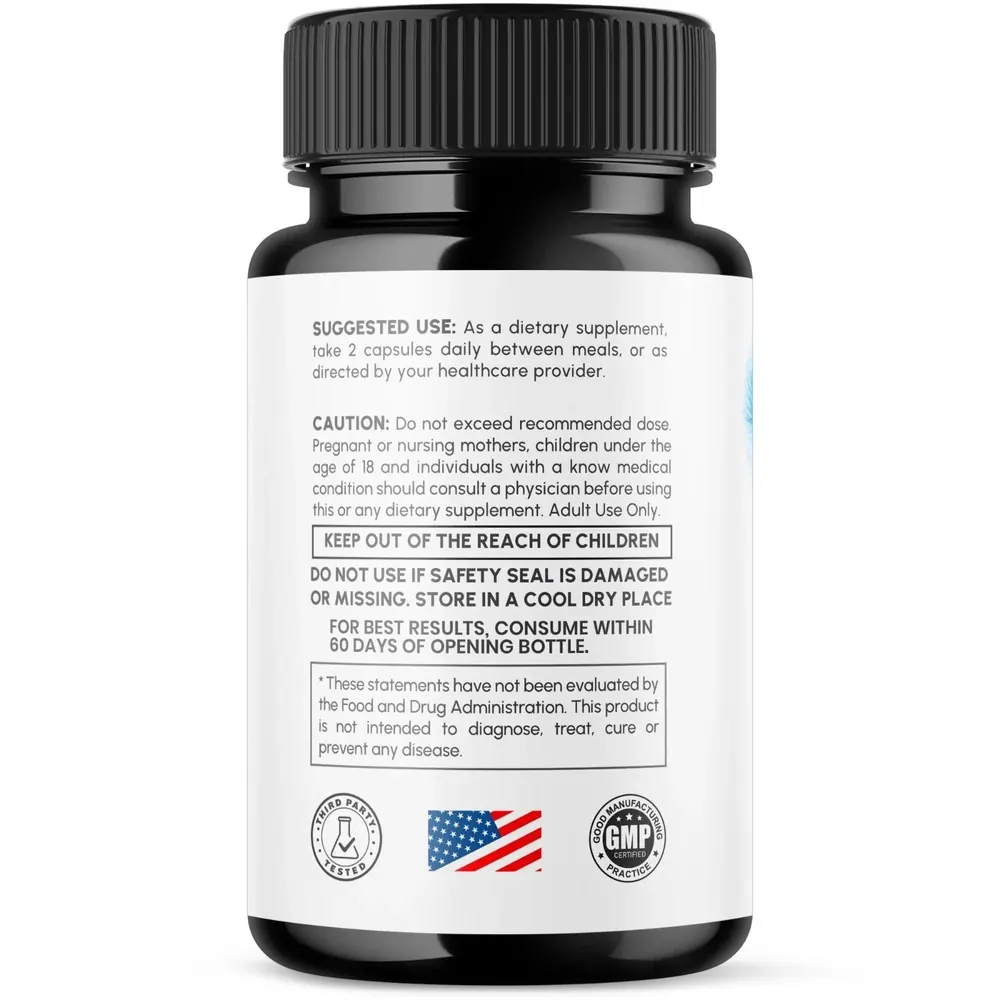
Side effects
Every ingredient's known side effects, the medicines to check, and what to do if Zeaxan does not agree with you.
Read more
Proprietary blends explained
What the blend rule requires, what ingredient order and "5%" really mean, and how to check a label yourself.
Read moreUSA authorized Zeaxan retailer
Ready to try Zeaxan?
The listing sells one 3-pack: 180 capsules, 90 days at 2 a day. Check today's price, delivery and return terms on the listing before you pay, and keep your eye exams.
- eBay Money Back Guarantee
- 30-day returns, as listed
- Free 2-4 day delivery, as listed